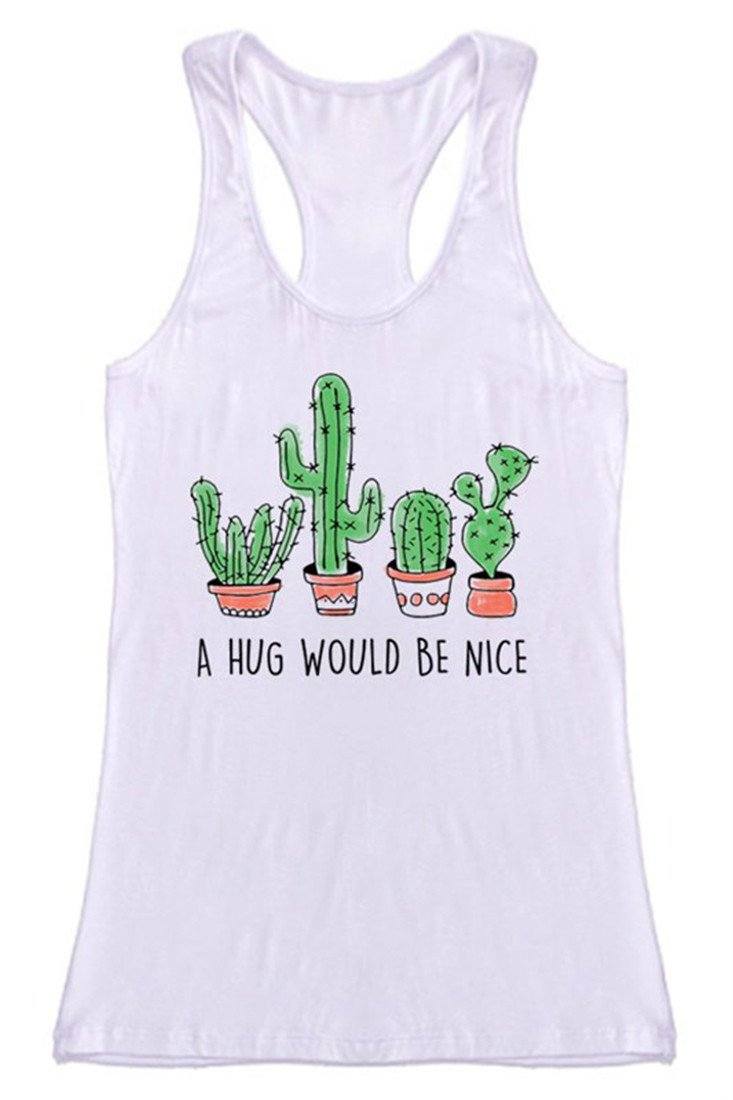
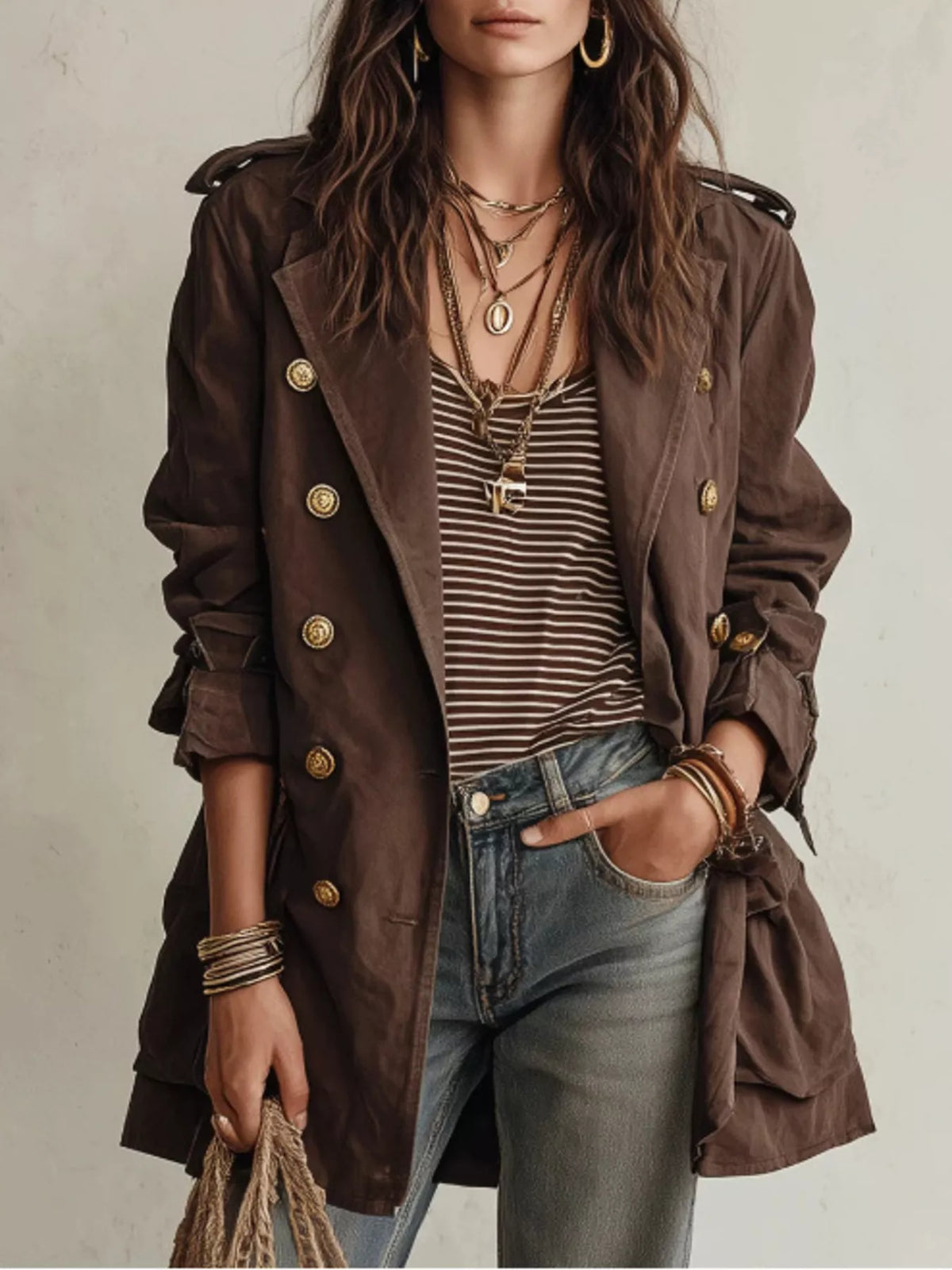
Sweater vs. Sweatshirt: How Are They Different?
Quick summary: Sweaters and sweatshirts are both warm layering pieces, but they are usually made differently. A sweater is generally knitted from yarn, while a sweatshirt is typically cut and sewn from a knit fabric such as cotton or a cotton-polyester blend. That difference affects texture, structure, warmth, care, and how each piece fits into an outfit.

What is a sweater?
A sweater is a knitted garment designed to cover the upper body. Instead of being cut from a finished sheet of fabric in the same way as many sweatshirts, sweaters are commonly formed from knitted yarn. They can be lightweight or substantial and may use cotton, acrylic, polyester, wool, rayon blends, or other fibers.
Sweaters also cover a wide range of silhouettes: crew necks, V-necks, turtlenecks, sweater vests, pullovers, and cardigans. Niobe’s permanent Women’s Sweaters, Hoodies & Sweatshirts collection brings several of these casual layers together.
What is a sweatshirt?
A sweatshirt is usually a casual pullover made from soft knit fabric rather than knitted directly from yarn into the garment’s final shape. Cotton and cotton-polyester blends are common. Some sweatshirts have a brushed interior for extra softness and warmth, although not every sweatshirt is fleece-lined.
Classic details can include a crew neckline, ribbed cuffs and hem, and a relaxed fit. Hooded versions are generally called hoodies. Niobe’s current Balloon Sleeve Crew Neck Pullover Short Sweatshirt, for example, is listed as a 55% cotton and 45% polyester pullover with ribbed trim and a wide, oversized body.
Sweater vs. sweatshirt: the main differences
Construction
The clearest distinction is usually construction. Sweaters are associated with yarn-based knit construction, while sweatshirts are generally sewn from sweatshirt fabric. This is why a sweater may show visible knit stitches or ribbing across the body, while a sweatshirt often has a smoother jersey-like exterior.
Fabric and texture
Neither category has one required fiber. Sweaters can use natural or synthetic yarns, and sweatshirts can also contain different fiber blends. Check the product’s material composition rather than assuming that “sweater” means wool or “sweatshirt” means 100% cotton.
Warmth
Warmth depends on more than the garment name. Yarn thickness, knit density, fabric weight, lining, fiber content, and fit all matter. A chunky sweater can be warmer than a lightweight sweatshirt, while a thick brushed sweatshirt can feel warmer than a fine-gauge sweater.
Style
Sweatshirts tend to lean casual and sporty. Sweaters can range from casual to polished depending on neckline, knit, fit, and styling. A simple sweater can work with trousers or a skirt, while a sweatshirt naturally pairs with denim, leggings, or relaxed bottoms.
How should each one fit?
Both categories can be fitted, standard, relaxed, or intentionally oversized. Do not rely on the category name to predict fit. Review the individual garment measurements and fit notes whenever they are available. For example, Niobe currently lists both cropped sweatshirts and longer oversized hooded pullovers, so two pieces in the same broad category can wear very differently.
How to style a sweatshirt
For an easy casual outfit, pair a crew-neck sweatshirt with jeans or leggings and simple sneakers. An oversized sweatshirt can balance slimmer bottoms, while a cropped sweatshirt can work with a higher rise. Browse Women’s Bottoms or Women’s Leggings for complementary pieces.
How to style a sweater
A sweater can be dressed up or down. Try a fine or fitted knit with trousers or a skirt, or use a relaxed sweater with denim for an everyday outfit. Cardigan styles add another layering option over tanks and camisoles; our Tank Top vs. Camisole guide explains how those base layers differ.
Which should you choose?
Choose based on the outfit, weather, and feel you want. A sweatshirt is a strong choice for relaxed comfort and sporty-casual dressing. A sweater offers more variation in knit texture and can move more easily between casual and polished outfits. In either case, check the material composition, garment measurements, and care instructions for the specific piece.
The bottom line
The practical difference between a sweater and a sweatshirt is usually how the garment is constructed rather than how warm it is. Sweaters are generally yarn-knitted garments; sweatshirts are typically sewn from soft knit fabric. Because modern styles overlap, the individual product details are always the best guide.
For seasonal outfit combinations, browse Fall Favorites and compare each layer's fabric, coverage and fit.