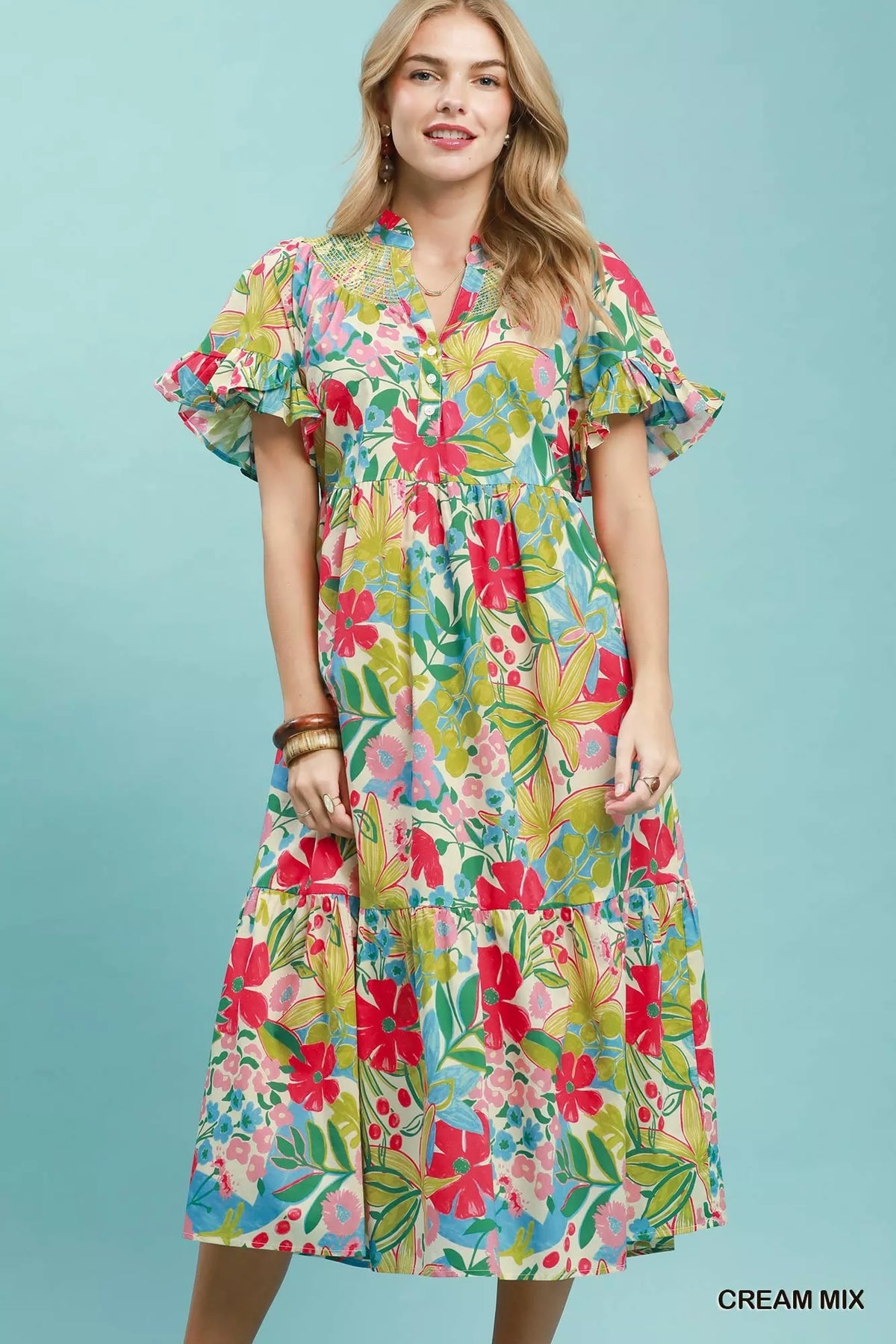
Mini vs. Midi vs. Maxi Dresses: What’s the Difference?
When you shop for dresses online, terms like mini, midi, and maxi are useful starting points for understanding length. They describe where a dress is generally designed to fall, but the exact position can vary with your height, proportions, the garment’s measurements, and the silhouette.
This guide explains the practical differences so you can compare styles more confidently. For an overview of the middle length, you can also read our guide to midi dresses.
What is a mini dress?
A mini dress is generally designed with a hem above the knee. Some minis are only slightly above the knee, while others are considerably shorter, so the word “mini” should not replace checking the actual garment length when that measurement is available.
Mini dresses can be casual, fitted, relaxed, tiered, sweater-style, or occasion-ready. Shoes and layers can change the overall effect: sneakers or flat sandals can keep a mini casual, while boots, heels, a cardigan, or a jacket can shift the outfit in another direction.
Browse current women’s mini dresses or compare them with the full women’s dresses collection.
What is a midi dress?
A midi dress typically falls below the knee and above the ankle, often around the mid-calf area. Because the category covers a range rather than one exact measurement, the same dress can sit differently on shoppers of different heights.
Midi dresses are popular for their versatility. Depending on the fabric and silhouette, they can work for everyday outfits, work-ready looks, dinners, travel, or events. Explore women’s midi dresses for current options.
What is a maxi dress?
A maxi dress is a long dress that generally reaches the ankle or close to the floor. Maxi styles range from casual sleeveless dresses to flowing prints, fitted knits, and more polished designs.

Because long hems can be especially sensitive to height and footwear, check the product measurements when available. Browse women’s maxi dresses to compare silhouettes.
Mini vs. midi vs. maxi at a glance
- Mini: generally above the knee.
- Midi: generally below the knee and above the ankle.
- Maxi: generally ankle length or near the floor.
These names describe approximate categories, not universal measurements. A hem that reaches mid-calf on one person might sit closer to the lower calf on another.
How do you choose the right dress length?
Start with where you plan to wear the dress and how much coverage you prefer. Then look beyond the length label. Consider the dress’s overall measurement, waist placement, fabric, stretch, neckline, sleeves, and silhouette.
Footwear also matters. A long maxi may work differently with flats than with heels, while a midi can look very different with sneakers, ankle boots, or sandals. With a mini, tights or a longer outer layer can add coverage when desired.
Does your height change how a dress length fits?
Yes. Dress categories describe the garment, but your height and proportions affect where the hem lands on your body. When measurements are provided on a Niobe product page, compare the garment length with a dress you already own and like. This is more informative than relying on the words mini, midi, or maxi alone.
Does fabric affect how the length looks?
Fabric can affect drape and movement. A structured woven dress may hold its shape differently from a soft knit or flowing fabric. Stretch can also affect how a fitted garment sits on the body. Always use the individual product’s listed composition, measurements, and fit information when making a purchase decision.
Shop dresses by length
There is no single “best” dress length. The useful choice is the one that fits your style, comfort, and plans. Compare mini dresses, midi dresses, and maxi dresses, or browse all women’s dresses at Niobe Clothing.