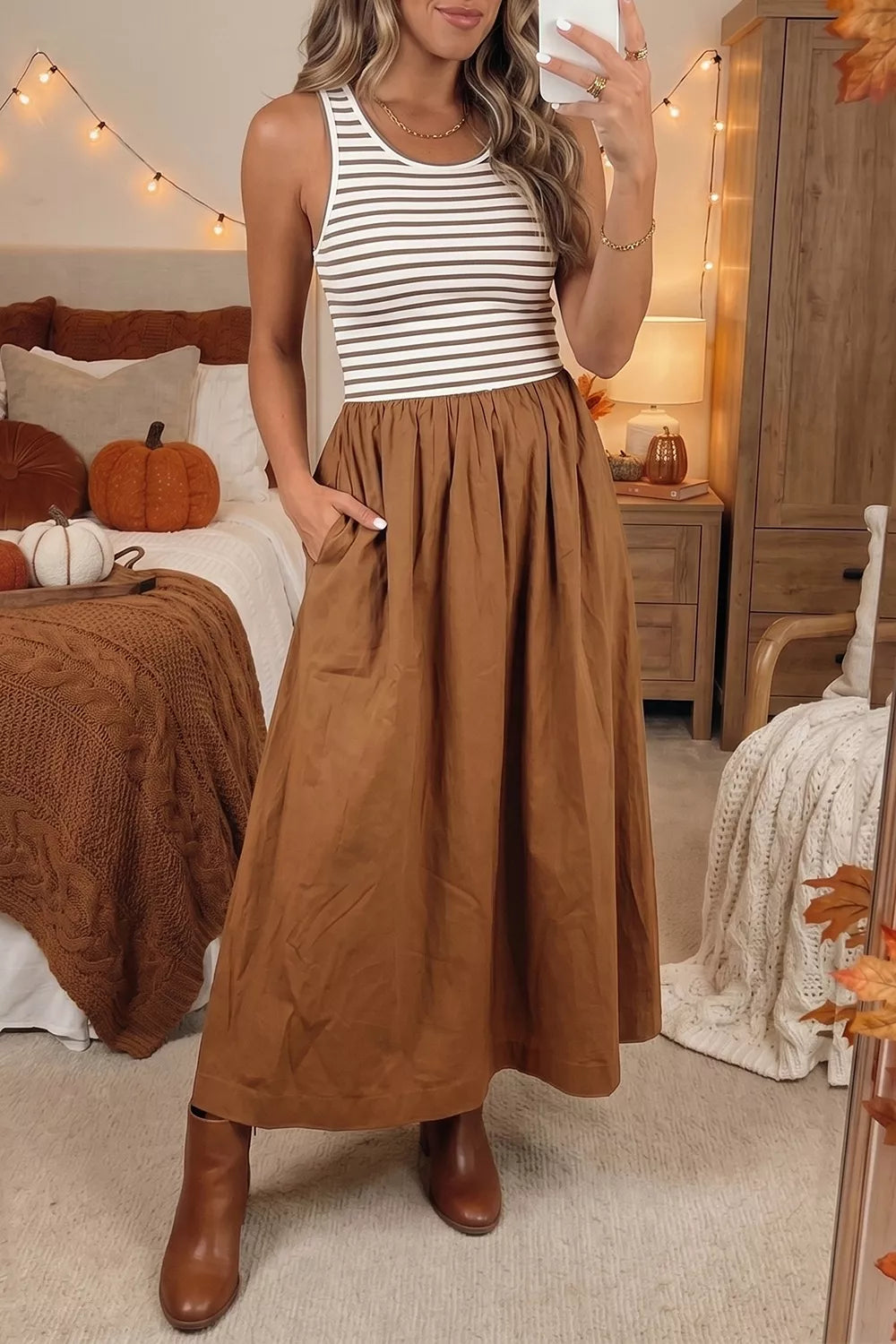
What Is a Blouse? Blouse vs. Shirt Explained
A blouse is generally a women’s top with a softer, dressier, or more decorative look than a basic T-shirt. It may be a pullover or button-front style and can include ruffles, gathers, ties, pleats, lace, smocking, balloon sleeves, puff sleeves, or flowing fabric.
“Blouse” and “shirt” overlap. Retailers do not follow one universal naming rule, so the garment’s fabric, closure, neckline, sleeve shape, measurements, and fit are more useful than the label alone.

What is the difference between a blouse and a shirt?
| Detail | Blouse | Shirt |
|---|---|---|
| Overall look | Often soft, flowing, dressy, or decorative | Often structured or derived from classic shirting |
| Construction | Pullover or button front | Frequently button front, but not always |
| Details | Ruffles, ties, gathers, lace, pleats, dramatic sleeves | Collar, placket, cuffs, chest pocket, yoke, tailored seams |
| Fabrics | Woven or knit; may be sheer, silky, textured, or draped | Often cotton, poplin, linen blends, denim, flannel, or other woven fabrics |
| Fit | Fitted, relaxed, oversized, cropped, or flowing | Fitted, straight, relaxed, or oversized |
These are tendencies, not strict rules. A soft button-front top may reasonably be called either a blouse or a shirt. A collared blouse can have classic shirt details, while a shirt can use a fluid fabric or dramatic sleeve.
Common blouse styles
Ruffled blouse
Ruffles add movement and visual detail around the neckline, front, cuffs, or shoulders. A ruffled blouse can be subtle or become the main feature of an outfit.
Balloon-sleeve blouse
Balloon sleeves create volume through the arm and gather near the cuff. The body of the blouse may be fitted or relaxed, so check the bust and shoulder measurements separately from the sleeve shape.
Sheer blouse
A sheer blouse uses fabric that allows some visibility through it. The level of sheerness varies by color, fabric weight, and lighting. Plan the base layer as part of the outfit.
Tie-neck or notched-neck blouse
Ties and notched necklines add detail without requiring jewelry. They can be worn open, loosely tied, or arranged according to the garment’s construction.
Button-front blouse
A button-front blouse overlaps most clearly with a shirt. Softer fabric, decorative sleeves, gathers, or a flowing cut may make it feel more like a blouse even when the closure is shirt-like.
How should a blouse fit?
Start with the fabric. A non-stretch woven blouse needs enough room through the bust, shoulders, and upper arms for comfortable movement. A slightly stretchy fabric may offer more flexibility, but the measurements still matter.
Check these areas:
- Bust: Buttons should lie flat rather than pull open. For pullovers, make sure there is enough room to put the garment on comfortably.
- Shoulders: A tailored shoulder seam usually sits near the shoulder edge; a dropped-shoulder or oversized design intentionally sits lower.
- Upper arms and cuffs: Balloon and puff sleeves may be roomy through the arm but fitted at the cuff.
- Length: Compare the garment length with the rise of the bottoms you plan to wear. A longer blouse may suit a partial tuck; a shorter hem can work naturally with a high waist.
- Sheerness: Check product photos in more than one color and plan a base layer if needed.
Niobe’s ruffled V-neck blouse is made from slightly stretchy 100% polyester and includes diagonal ruffle detailing plus ruffled cuffs. By contrast, the sheer notched-neck balloon-sleeve blouse uses non-stretch 100% polyester with a tied notched neckline and balloon sleeves. Those differences show why two blouses should not be expected to fit the same way.
How to style a ruffled blouse
Let the ruffle determine how much additional detail the outfit needs.
With straight or slim jeans
A ruffled blouse and simple denim is an easy balance of decorative and casual. Tuck the blouse fully for a cleaner waist, use a partial tuck for a relaxed look, or leave it untucked if the hem falls well with the rise of the jeans.
With wide-leg pants
A ruffled blouse can work with wide-leg pants when the waist remains intentional. Try a full or partial tuck, or choose a blouse whose hem ends near the waistband. Read How to Style Wide-Leg Pants for more proportion and shoe guidance.
With a pencil or A-line skirt
A smooth skirt lets the blouse provide the detail. With a fitted pencil shape, a softer blouse creates contrast. With an A-line skirt, a tucked blouse keeps the waist visible.
Under a blazer
A blazer frames a ruffled neckline and can make the outfit feel more polished. Make sure the sleeve volume fits comfortably inside the blazer armhole.
How to style balloon sleeves
Balloon sleeves create width through the arm, so the simplest outfit keeps the rest of the silhouette easy to read.
- Pair them with straight jeans or trousers for a clean everyday shape.
- Use a high-waisted skirt or pants and show the waistband with a tuck.
- Keep a jacket or coat roomy enough through the sleeves so the fabric does not bunch.
- Push sleeves up only if the cuff and fabric allow it without stretching or crushing the intended shape.
- Keep large necklaces or shoulder-heavy accessories minimal when the sleeve is already the focal point.
You do not need fitted bottoms every time. Balloon sleeves can work with wide-leg pants when the waist, hem, or shoe creates enough structure.
What to wear under a sheer blouse
Choose a base layer according to the amount of coverage and contrast you want.
- A close-fitting camisole can create a smooth layer with narrow straps.
- A tank top offers more shoulder and side coverage.
- A tonal base layer creates a quieter look.
- A contrasting base layer makes the transparency more visible and intentional.
- A bralette may work when its coverage suits the blouse and setting.
Check the armholes, neckline, strap placement, and hem of the base layer so it works with the blouse from every angle. Niobe’s tank top vs. camisole guide can help you choose between the two.
Easy blouse outfit formulas
Casual day
Blouse + jeans + sneakers or flat sandals. Use a partial tuck if you want more waist definition.
Polished casual
Blouse + wide-leg pants + loafers or ankle boots. Choose a solid blouse when the pants carry strong color, pockets, or print.
Work-ready
Blouse + trousers or pencil skirt + blazer + flats or a simple heel. Fit through the bust and shoulders matters more than the word “blouse” on the product page.
Weekend layer
Sheer blouse + tank or camisole + denim + casual shoe. Leave the blouse untucked or partly open if the construction allows.
Evening
Statement blouse + dark trousers or skirt + streamlined shoe. Let ruffles, lace, sheen, or sleeve volume take the place of extra accessories.
Can you wear a blouse with leggings?
Yes. A longer relaxed blouse can create an easy casual outfit with leggings, while a more structured shirt-blouse can work with a jacket and loafers. Choose the blouse length and coverage you prefer rather than following a rigid rule. For more combinations, see What to Wear With Leggings.
What to check before buying a blouse online
- Fabric composition and stretch
- Bust, shoulder, upper-arm, sleeve, and garment-length measurements
- Closure type and whether buttons sit across the bust
- Intended fit: fitted, standard, relaxed, or oversized
- Sleeve shape and cuff construction
- Sheerness, lining, and suggested base layer
- Care instructions
- Color-specific photos, because opacity can change by color
The bottom line
A blouse is best understood as a broad family of women’s tops that often uses softer fabric, decorative details, or a flowing shape. A shirt usually suggests more classic shirting construction, but the categories overlap.
Use the garment’s actual details to choose and style it: fabric, stretch, bust and shoulder measurements, sleeve volume, closure, sheerness, and length. Browse women’s blouses and shirts or explore the wider women’s tops collection.